Payroll Fraud Investigation: How Employers Uncover and Prove It
How a payroll fraud investigation works: warning signs, evidence to preserve, legal limits on surveillance, and when to bring in a private investigator.

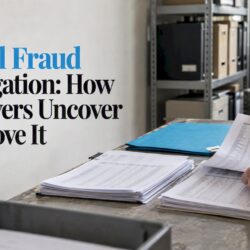
How a payroll fraud investigation works: warning signs, evidence to preserve, legal limits on surveillance, and when to bring in a private investigator.
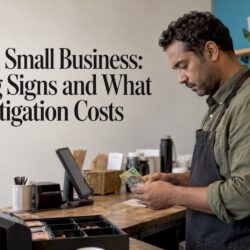
How fraud hits small businesses, which controls stop it, and what a private investigator costs when you need proof: hourly rates, retainers and real examples.

Chain of custody explained: what it is, what must be documented, how breaks sink evidence, and why hiring former FBI agents helps keep your evidence court-ready.

How hidden assets are found: records you can check yourself, legal discovery, investigator methods, cross-border limits, and when to bring in a professional.

Learn which signs of infidelity point to a real pattern, which have innocent explanations, and how to act on a suspicion without wrecking your case or your life.
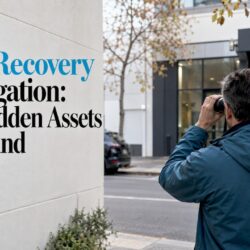
How an asset recovery investigation works: tracing, freezing, confiscation and return, what private investigators can and can’t do, and realistic timelines.
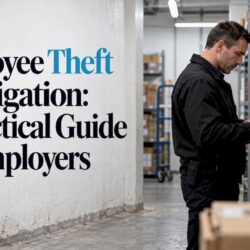
How to investigate employee theft: spot the signs, preserve evidence, interview fairly, avoid privacy mistakes and know when to bring in a private investigator.
How insurance fraud investigations work, the red flags investigators look for, where to report suspicions in the US, and when a private investigator helps.
Learn when an asset search investigation can help, what records investigators can find, when legal process is needed, and what to gather before hiring.
Learn when employers should investigate, set terms of reference, apply the balance of probabilities, and decide when to hire an outside investigator.