
A workplace misconduct investigation is a neutral fact-finding exercise that decides whether alleged conduct more likely than not happened. The first step is to triage the complaint, preserve evidence, protect staff safety, and record your decision to investigate. Keep the investigator separate from the person who decides the outcome, and treat everyone involved fairly from day one.
TL;DR:
- Use a formal investigation for contested allegations involving safety, legal duties, serious misconduct, or career consequences; resolve minor, undisputed lapses through management instead.
- Keep the investigator separate from the decision maker, define allegations and scope in written terms, and preserve relevant records before interviews begin.
- Apply the balance of probabilities, assess evidence supporting and contradicting each allegation, and explain findings with specific reasons, including where evidence conflicts.
- Bring in an external investigator when seniority, sensitive allegations, disputed credibility, or internal conflicts threaten neutrality; seek legal advice if criminal or regulatory issues arise.
Table of Contents
- When should you open a workplace misconduct investigation?
- How do you plan the investigation and write the terms of reference?
- What does good evidence collection and interviewing look like?
- How do you write the report and apply the balance of probabilities?
- How should decision-makers respond and communicate outcomes?
- What legal, privacy and fairness risks should you control?
- When should you bring in an external investigator?
- Why a disciplined, neutral process protects everyone
- When can a professional investigator help you gather the facts?
- FAQ
- Sources
When should you open a workplace misconduct investigation?
Not every complaint needs a formal process. Before you start, ask whether an investigation is proportionate to the seriousness of the allegation. Queensland public-sector guidance tells employers to weigh proportionality and consider alternatives before committing to one, and the Australian Public Service Commission separates a preliminary fact-find from a full misconduct investigation.
These triggers usually justify a formal investigation:
- Harassment, bullying or discrimination allegations.
- Theft, fraud or falsified records.
- Violence, threats or conduct that creates a safety risk.
- Allegations that engage a legal duty or a regulatory reporting obligation.
- Repeated lower-level behavior that suggests a pattern.
Look at how serious the conduct is, who is affected, and whether the evidence already points to a clear answer. A minor, undisputed lapse may be settled with a management conversation. A contested allegation with real consequences for a career or for safety needs a structured process.
Pause or refer the matter when you suspect criminal conduct, a safeguarding issue, or a duty to notify a regulator. Take legal advice first so your internal inquiry does not interfere with an external one.
How do you plan the investigation and write the terms of reference?
Planning is an important part of an investigation. Decide who authorizes the work and why, then keep the investigator and the decision-maker as different people. That separation can help address concerns about bias.
Draft a written terms of reference. Employment New Zealand says a proper investigation sets terms of reference, interviews witnesses, and records findings linked to evidence. Include:
- The allegations in plain language and the objective of the investigation.
- The scope, including what is deliberately excluded.
- The people to interview and the main types of evidence to collect.
- The reporting format and expected timing for the report.
- Confidentiality expectations for everyone involved.
Promptly preserve email and system data, secure physical items, and decide whether interim changes are needed. Moving someone to different duties, or in rare cases suspending them on pay, can be justified when safety or evidence destruction is a real risk.
Pro Tip: Write the allegations down before the first interview and share them with the respondent in advance, so no one is surprised by what they are asked to answer.
What does good evidence collection and interviewing look like?
Start with an inventory of what exists. The aim is to gather material that supports the allegation and material that contradicts it. Acas is clear that investigators are neutral fact-finders who follow natural justice, not prosecutors building a case.
Typical evidence includes:
- Emails, messages, and other documents tied to the events.
- CCTV footage, door access records, and system or login logs.
- Rosters, timesheets, and expense records.
- Physical items and photographs, logged with date, time, and who handled them.
- Statements from witnesses who saw or heard something directly.
Check the legal and privacy position before you search devices, accounts, or personal property. Before retrieving information, check the rules and workplace policies that apply, and seek legal advice if needed. Keep a simple evidence log so you can show where each item came from.
Prepare for interviews by giving written notice of the allegations and the purpose, and explain any applicable support-person arrangements. Ask open questions, let people finish, and put contradicting evidence to the person it concerns so they can respond. Take contemporaneous notes, and consider offering the interviewee a chance to review the record.
Be careful with credibility. Note consistency, plausibility, and corroboration rather than demeanor alone, and write down why you gave one account more weight than another.
The common pitfall is acting like a prosecutor. Leading questions and selective evidence create biased findings and legal exposure, and they undermine the outcome even when the underlying concern was valid.
Pro Tip: Plan the interview order so you can put relevant evidence to the respondent and give them a chance to respond.
How do you write the report and apply the balance of probabilities?
The report is the document a decision-maker relies on, so it should be complete enough to stand alone. A sound structure covers:
- The authorization and the terms of reference.
- A chronology of events.
- A summary of the evidence gathered and how it was handled.
- Analysis of the evidence against each allegation.
- A finding on each allegation, with reasons.
- Attachments such as statements and the evidence log.
Internal workplace investigations use the civil standard, the balance of probabilities, rather than the criminal standard of beyond reasonable doubt. In practice, each finding should show why something is more likely than not. Employment New Zealand says to apply that standard and to record the reasons for each finding.
Tie every conclusion to specific evidence, and say plainly when evidence is thin or conflicting. A finding of “not substantiated” is not the same as saying the complainant lied.
Share draft findings with the parties for comment on factual accuracy before finalizing. Consider their responses, correct genuine errors, and keep the investigator’s conclusions independent of any pressure to reach a particular result.
How should decision-makers respond and communicate outcomes?
Once the report is delivered, the decision-maker, who should not have investigated, reads it, tests the reasoning, and decides what follows. Keeping these roles apart is what makes the outcome defensible if it is later challenged.
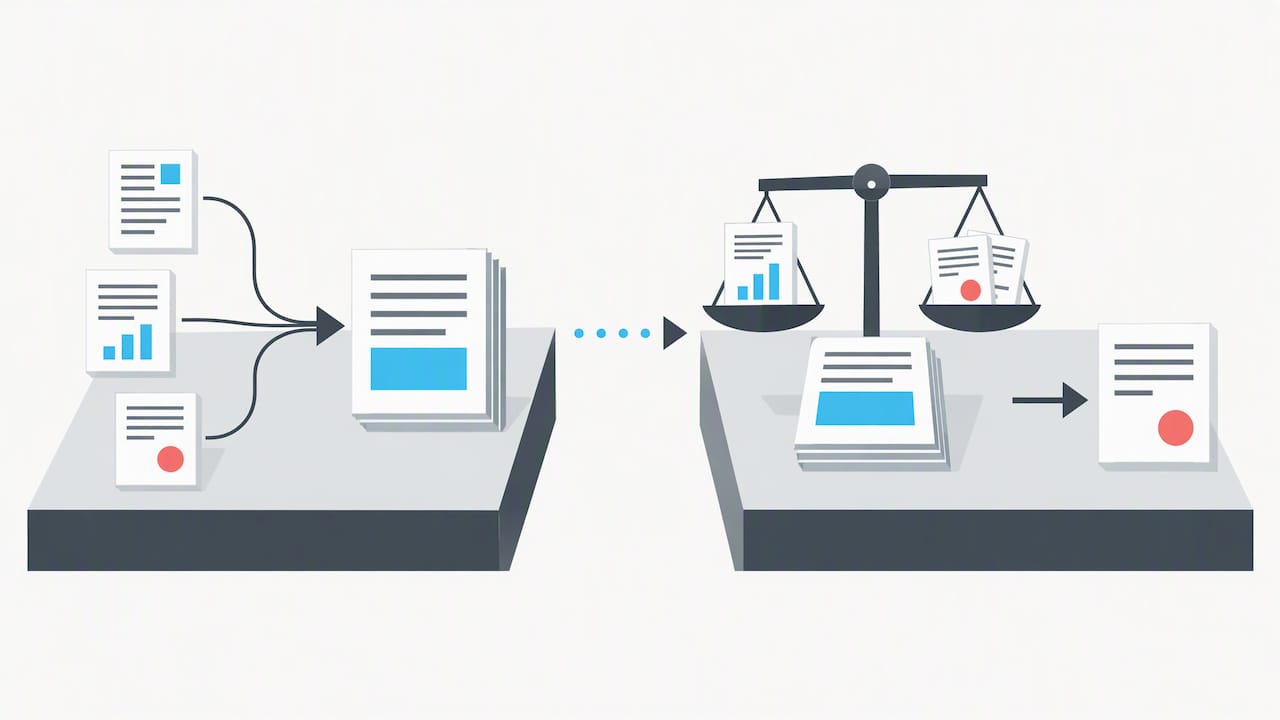
Responses should be proportionate to the findings. They range from no action or informal management, through training and coaching, to formal disciplinary measures and, for proven serious misconduct, dismissal. Employment New Zealand notes that serious misconduct such as fraud, violence, or harassment can justify dismissal if proven.
A workable sequence:
- Read the full report and confirm each finding is supported by evidence.
- Give the respondent a genuine chance to comment on any proposed penalty before deciding.
- Choose the outcome and write down the reasons, including why lesser options were or were not enough.
- Tell the complainant and respondent the decision in writing, within the limits of confidentiality.
- Explain any review or appeal routes. The Australian Public Service Commission stresses that informing staff of review rights and using the correct delegated authority are critical to avoiding a successful legal challenge.
What legal, privacy and fairness risks should you control?
Most legal trouble comes from process, not from the underlying facts. A few controls reduce the exposure considerably:
- Apply the civil standard in your findings, and handle any parallel criminal proceeding carefully. Seek legal advice before taking steps that could affect it.
- Limit disclosure of allegations and evidence to people who need to know, and store the file securely with a clear evidence log.
- Collect and retain personal information only as the law and your policy allow, and delete it when retention is no longer justified.
- Avoid prejudgment. Do not announce conclusions, discipline early, or let rumor shape the process.
- Give the respondent the allegations, the evidence, and a real chance to reply before any decision is made.
- Follow your own workplace misconduct policy. Departing from it without reason is a common basis for complaint.
Requirements differ by country, state, and employment arrangement, so check the rules that apply to your workplace or consult a qualified employment lawyer.
When should you bring in an external investigator?
An independent investigator is worth the cost when internal neutrality is hard to demonstrate. Queensland public-sector guidance recommends external investigators where issues are sensitive, complex, or at risk of bias.
Consider one when:
- The respondent is senior, or close to the people who would investigate.
- The allegations involve sexual harassment or other sensitive conduct.
- The reputational or legal stakes are high.
- Credibility will be sharply disputed.
- Your HR team lacks the capacity or independence to do it properly.
When vetting providers, check independence from the parties, relevant experience, any licensing or accreditation that applies where you operate, and ability to produce evidence that can withstand legal scrutiny. Expect them to work from your terms of reference, keep an evidence log, supply a draft report for comment, and deliver a final report to your decision-maker.
Pro Tip: Ask any provider to describe, in writing, how they will stay independent and how they will handle a conflict of interest if one emerges mid-investigation.
Why a disciplined, neutral process protects everyone
The best protection an employer has is a clear paper trail and an investigator no one can credibly call biased. Clear timelines and honest updates can help people understand what to expect. When credibility is contested or legal exposure is high, get specialist help early rather than late.
— Global
When can a professional investigator help you gather the facts?
When you need neutral evidence collection and secure photos and video, we can help. Our team includes former law enforcement and ex-military investigators who handle sensitive workplace matters discreetly. Contact us at PIMelbourne to discuss your situation.
This article is general information, not a substitute for advice from a qualified lawyer. Consult a qualified legal professional about your own circumstances before acting on anything here.
FAQ
How should a manager handle a harassment complaint?
Listen without judging, record what was reported, and follow your workplace process for raising the concern. Consider how to protect people involved and preserve relevant evidence. Do not promise confidentiality you cannot keep.
What standard of proof applies to a workplace investigation?
Internal workplace investigations use the balance of probabilities, meaning something is more likely than not. This is lower than the criminal standard of beyond reasonable doubt. Employment New Zealand directs investigators to apply it and record their reasons.
Who should carry out the investigation?
Someone impartial, with no stake in the outcome and no reporting line that creates pressure. The investigator should be a different person from the decision-maker. Use an external investigator when the matter is sensitive or bias is likely.
What can employees do if they want to raise a concern?
They can usually report to their manager, HR, or a designated contact under the workplace policy. Many workplaces also offer an employee assistance program or an independent reporting channel. The relevant government employment agency can explain further options.